Hungarian Transport Museum Budapest
Client
The Hungarian Museum of Science, Technology and Transport
Area (sqm)
12.000
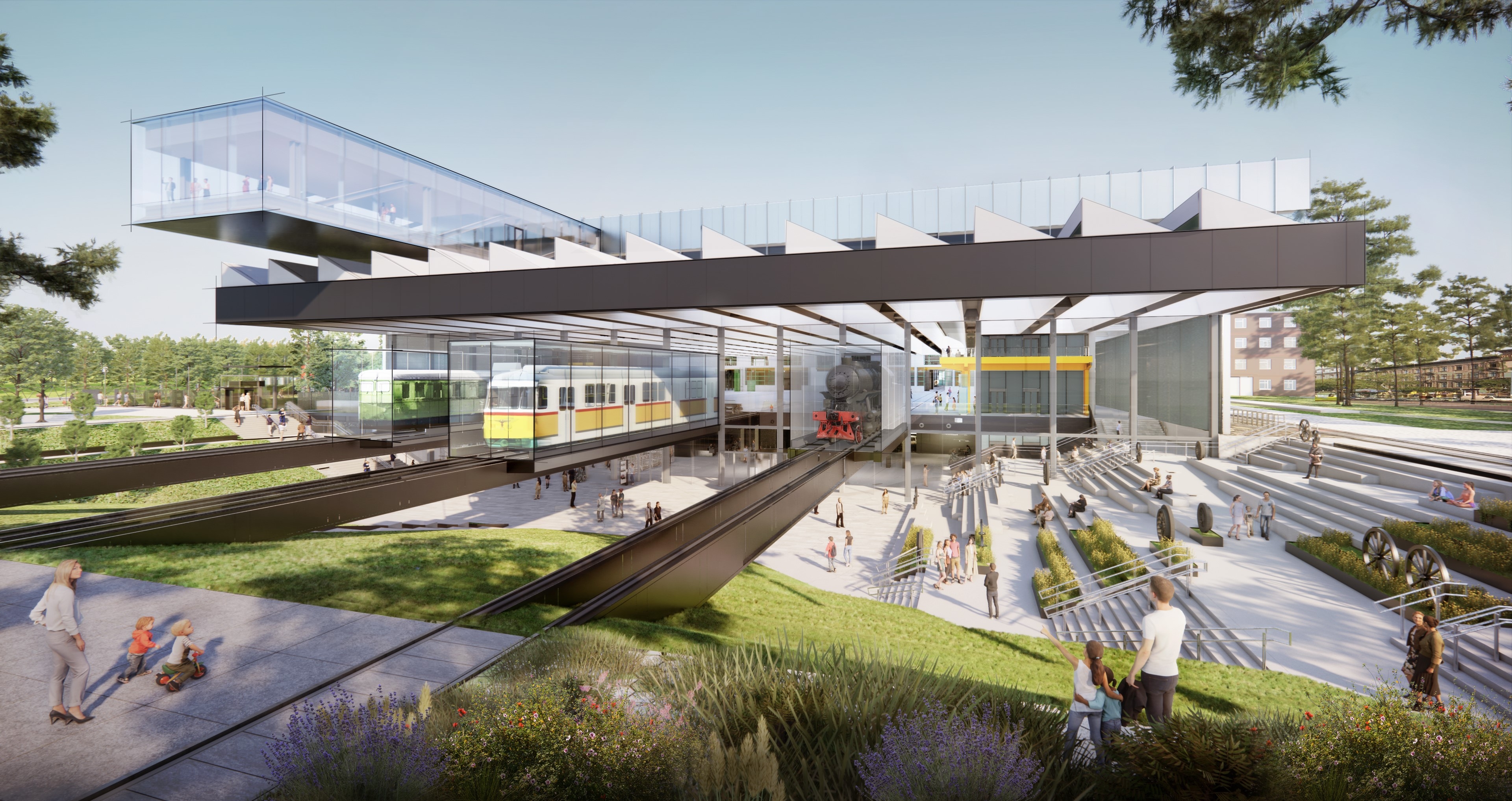
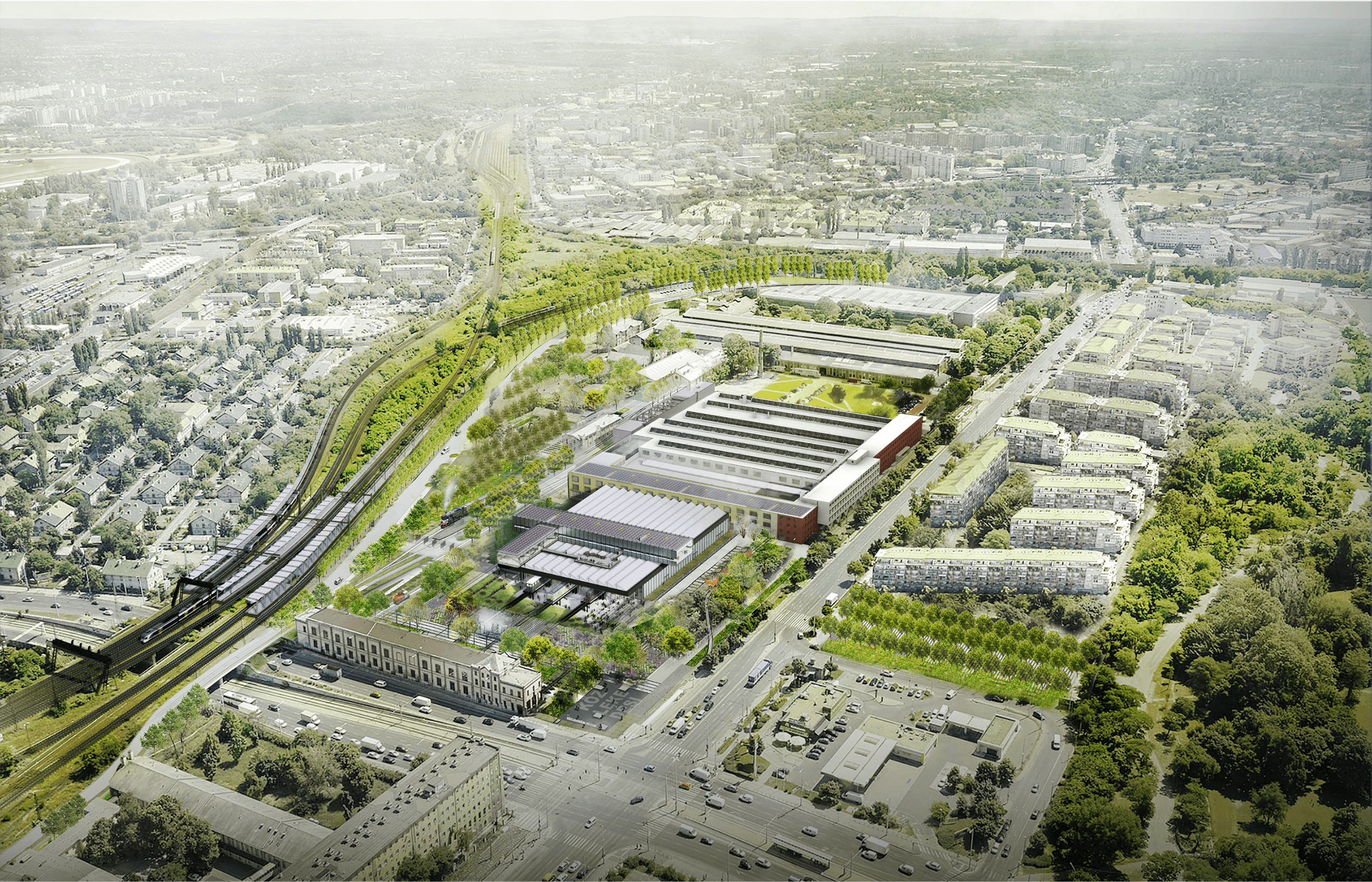
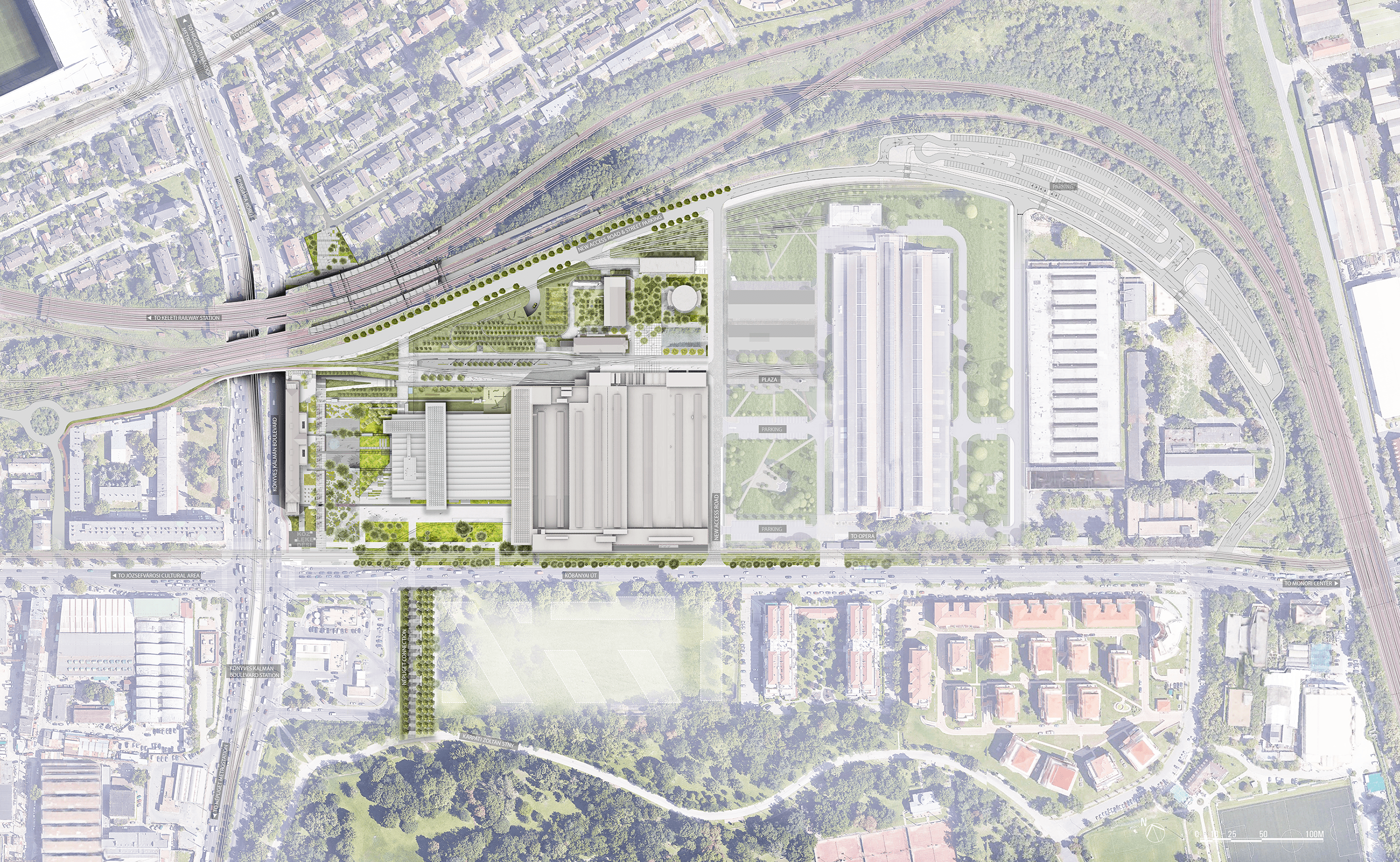
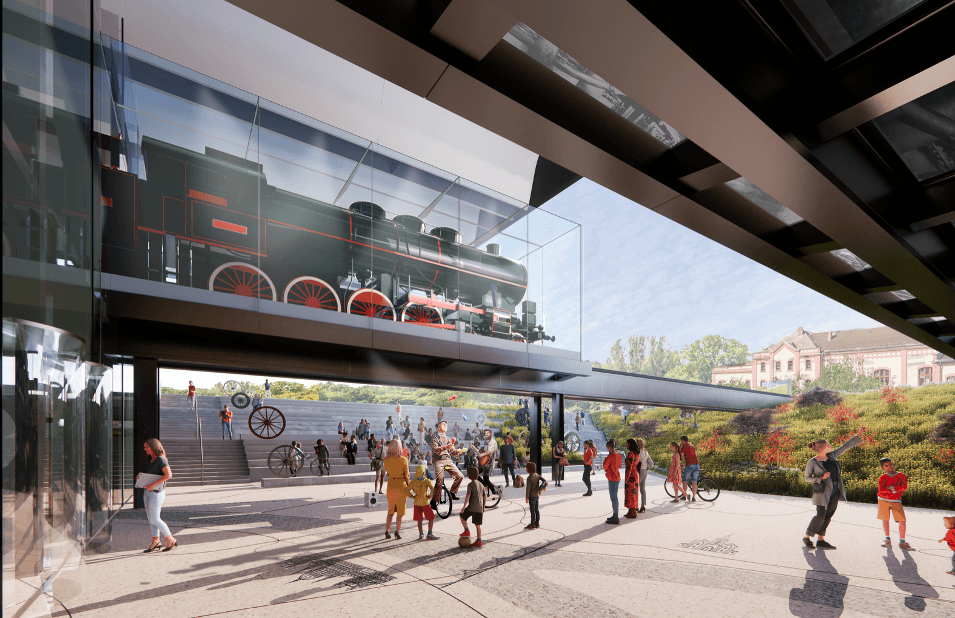
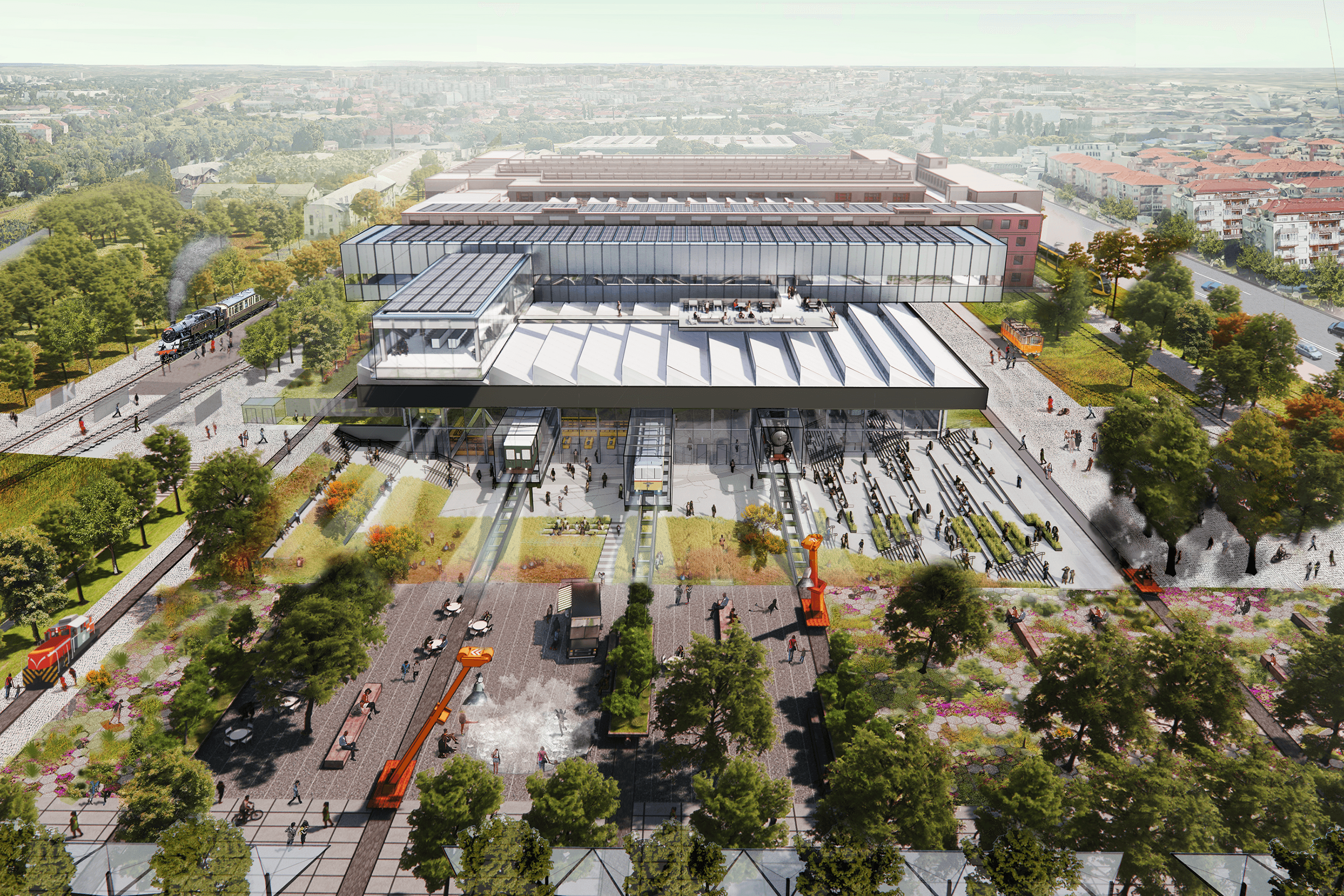
The Hungarian Transport Museum is one of the oldest transport museums in Europe. Its new location will be a former railfreight terminal site with a total area of 40.000 square metres. The northern railway depot, built in 1868, was the most important maintenance site of railway vehicles until 2009 and will now be architecturally extended by Diller Scofidio + Renfro architects. The new 12.000 square metre New Museum of Transport will become a cultural and tourist attraction: 600 large exhibits, including Budapest's first tram and Europe's fastest steam locomotive, will be on display.
Designed as an extension of the city itself, the museum’s outdoor and transitional spaces dissolve the traditional boundary between institution and urban realm. The former rail freight terminal – once inaccessible industrial infrastructure – is opened to the public as a layered sequence of plazas, pathways, landscapes, and exhibition environments. Historic railway structures, large-scale vehicles, and new architectural interventions create a spatial narrative that invites visitors to explore how transport systems shape societies, cities, and individual lives.
At the heart of the project is the idea that transport is not only about vehicles, but about people, communities, and shared responsibility. The public realm becomes the primary medium through which this story is communicated. Visitors move through a continuously unfolding landscape composed of urban squares, railway platforms, streetscapes, stations, bridges, and environmental installations. Each spatial intervention translates historical and social questions into immersive public experiences.
The New Museum of Transport demonstrates how a former industrial site can be transformed into a contemporary civic environment that is simultaneously educational, cultural, and social. By combining architecture, exhibition design, landscape, and participatory storytelling, the project creates a new kind of public space – one where infrastructure becomes experience, mobility becomes culture, and visitors become active participants in shaping the future of urban life.
Exhibition Design
ATELIER BRÜCKNER
Architecture
Diller Scofidio + Renfro
Visualization
Diller Scofidio + Renfro